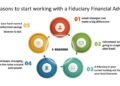


When it comes to the realm of financial advice, the distinction between free and paid services is crucial. This article delves into the nuances of Free vs Paid Financial Advice: What’s the Difference?, offering a comprehensive look at the benefits, risks, and quality disparities between the two.
Free vs Paid Financial Advice: What’s the Difference?
When it comes to financial advice, individuals have the option to seek guidance from both free and paid sources. Understanding the disparities between these two types of advice can help individuals make informed decisions regarding their finances.
Free Financial Advice
Free financial advice is typically available through various online sources, blogs, forums, and even from friends or family members who may have some financial knowledge. While this advice can be helpful in providing general tips and insights, it may lack the depth and personalized approach that paid financial advice offers.
Benefits of Paid Financial Advice
- Personalized Financial Planning: Paid financial advisors offer customized financial plans tailored to individual goals and circumstances.
- Expertise and Experience: Paid advisors often have professional certifications and years of experience in the field, providing a higher level of expertise.
- Comprehensive Financial Solutions: Paid advisors can offer a wide range of services, including investment management, retirement planning, tax strategies, and more.
Quality of Advice Received
- Paid financial advice tends to be more detailed, thorough, and specific to an individual’s needs, as it is based on a deeper understanding of the client’s financial situation.
- Free financial advice, on the other hand, may be more general and lack the personalization and in-depth analysis that paid advice provides.
Potential Risks of Free Financial Advice
- Conflict of Interest: Free advice may be biased towards certain products or services that benefit the advisor, rather than the client.
- Lack of Accountability: Since free advice is not paid for, there may be less incentive for the advisor to ensure the advice is accurate and in the client’s best interest.
- Inadequate Knowledge: Free sources of advice may not always be reliable or up-to-date, leading to potentially harmful financial decisions.
Qualifications and Expertise
When it comes to financial advice, the qualifications and expertise of advisors can vary depending on whether they offer their services for free or charge a fee. Let’s explore the differences in qualifications and expertise between free and paid financial advisors.
Qualifications of Free Financial Advisors
Free financial advisors, often found in non-profit organizations or government agencies, typically have a basic level of certification or training in financial planning. They may hold credentials such as Certified Financial Planner (CFP) or Chartered Financial Consultant (ChFC). However, the level of expertise and specialization can vary among free advisors, and they may not always have extensive experience in complex financial matters.
Expertise of Paid Financial Advisors
Paid financial advisors, on the other hand, are usually professionals who have obtained advanced degrees in finance, accounting, economics, or related fields. They often hold certifications like Certified Financial Planner (CFP), Chartered Financial Analyst (CFA), or Chartered Financial Consultant (ChFC).
Paid advisors typically have years of experience working with clients on a wide range of financial issues, from retirement planning to investment management.
Educational Backgrounds Required
The educational backgrounds required for free and paid financial advisors differ significantly. Free advisors may have completed basic financial planning courses or obtained entry-level certifications, while paid advisors are usually required to have at least a bachelor’s degree in a finance-related field.
Many paid advisors also pursue advanced degrees or certifications to enhance their expertise and credibility in the industry.
Personalization and Customization
When it comes to financial advice, personalization and customization play a crucial role in helping individuals achieve their unique goals and objectives. Free financial advice may lack the personalized touch needed to address specific financial situations effectively. On the other hand, paid financial advisors have the expertise and resources to provide tailored advice based on individual needs.
Customized Advice from Paid Advisors
Paid financial advisors take the time to understand their clients’ financial goals, risk tolerance, time horizon, and other relevant factors to create personalized financial plans. These plans are designed to meet the specific needs and objectives of each client. Here are some examples of personalized financial plans offered by paid advisors:
- Retirement Planning: Paid advisors create retirement plans tailored to each client’s desired retirement age, income needs, lifestyle preferences, and risk tolerance. They consider factors such as inflation, market fluctuations, and longevity to ensure a secure retirement.
- Investment Portfolio Management: Paid advisors design investment portfolios that align with the client’s financial goals, risk tolerance, and time horizon. They may recommend a mix of stocks, bonds, mutual funds, and other investment vehicles to help clients achieve their objectives.
- Estate Planning: Paid advisors assist clients in creating comprehensive estate plans that address their wishes for asset distribution, minimizing estate taxes, and ensuring the financial well-being of future generations. They work closely with legal professionals to develop personalized estate plans.
Conflict of Interest
![Free vs. Paid Online Communities: Which Is Right for You? [Expert Tips]](https://finance.iknpos.id/wp-content/uploads/2026/01/notion-free-vs-paid.png "Free vs. Paid Online Communities: Which Is Right for You? [Expert Tips]")
When it comes to financial advice, one crucial aspect to consider is the presence of potential conflicts of interest. In the case of free financial advice, there may be a conflict of interest as the advisor could be incentivized to recommend certain products or services that may not be the best fit for the client.Paid advisors, on the other hand, have a different approach to mitigating conflicts of interest.
Since they are compensated directly by their clients, they are expected to act in the best interest of the client without any external influences. This helps in ensuring that the advice provided is unbiased and tailored to the specific needs of the client.
Transparency of Fees
In terms of transparency of fees, paid financial advisors typically have a clear fee structure that is disclosed upfront to the client. This transparency allows clients to understand what they are paying for and how the advisor is compensated.On the other hand, free financial advice services may not always be transparent about how they are making money.
This lack of transparency can lead to potential conflicts of interest, as the advisor may be receiving compensation from third parties for recommending certain products or services.Overall, paid financial advisors tend to have a more transparent fee structure, which can help in building trust with clients and ensuring that the advice provided is truly in their best interest.
Concluding Remarks
As we wrap up our exploration of Free vs Paid Financial Advice: What’s the Difference?, it becomes evident that each option presents its own set of advantages and drawbacks. Whether you opt for free guidance or invest in paid expertise, understanding the implications is key to making informed financial decisions.
FAQ Insights
Is free financial advice as reliable as paid advice?
While free financial advice can provide general guidance, paid advisors often offer more personalized and in-depth assistance tailored to individual needs.
How do paid financial advisors mitigate conflicts of interest?
Paid advisors typically have a fiduciary duty to act in their clients’ best interests, reducing the likelihood of conflicts of interest compared to free advisors.
Are the educational backgrounds of free and paid financial advisors significantly different?
Generally, paid financial advisors have more extensive educational qualifications and certifications compared to those offering free advice.